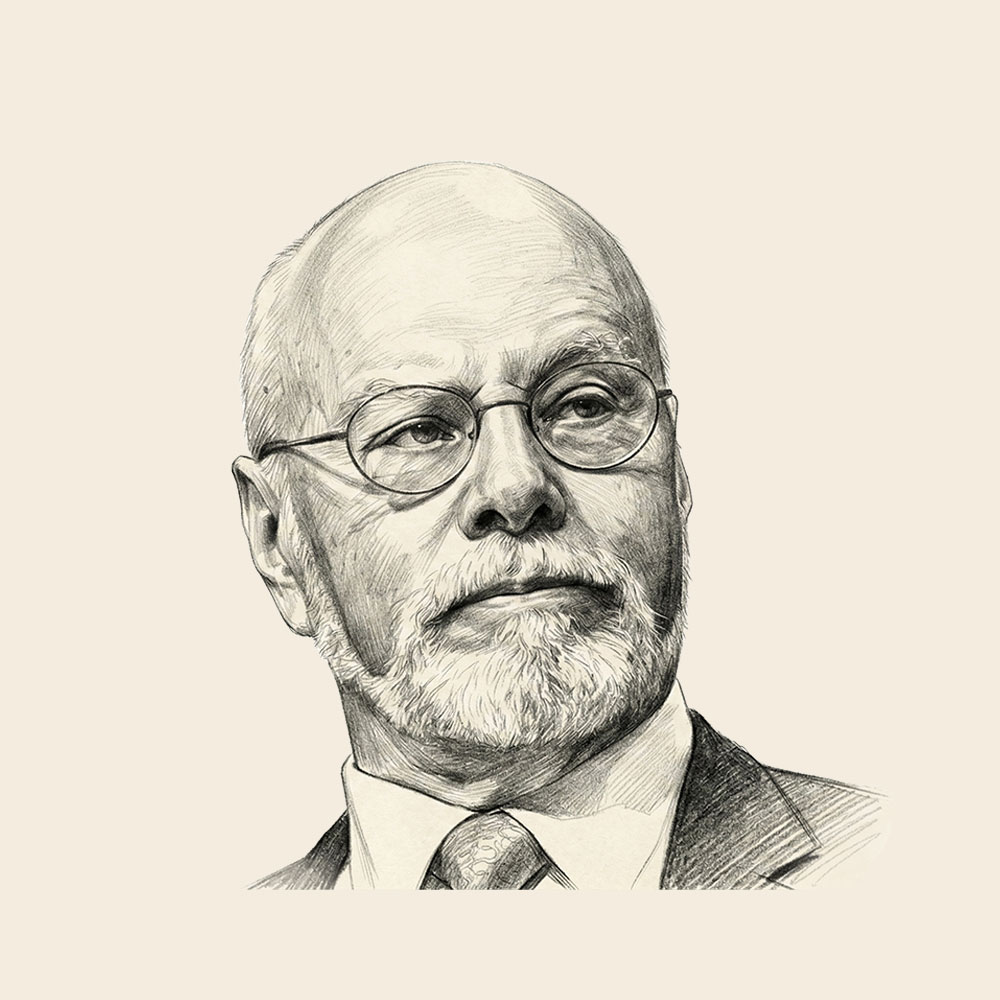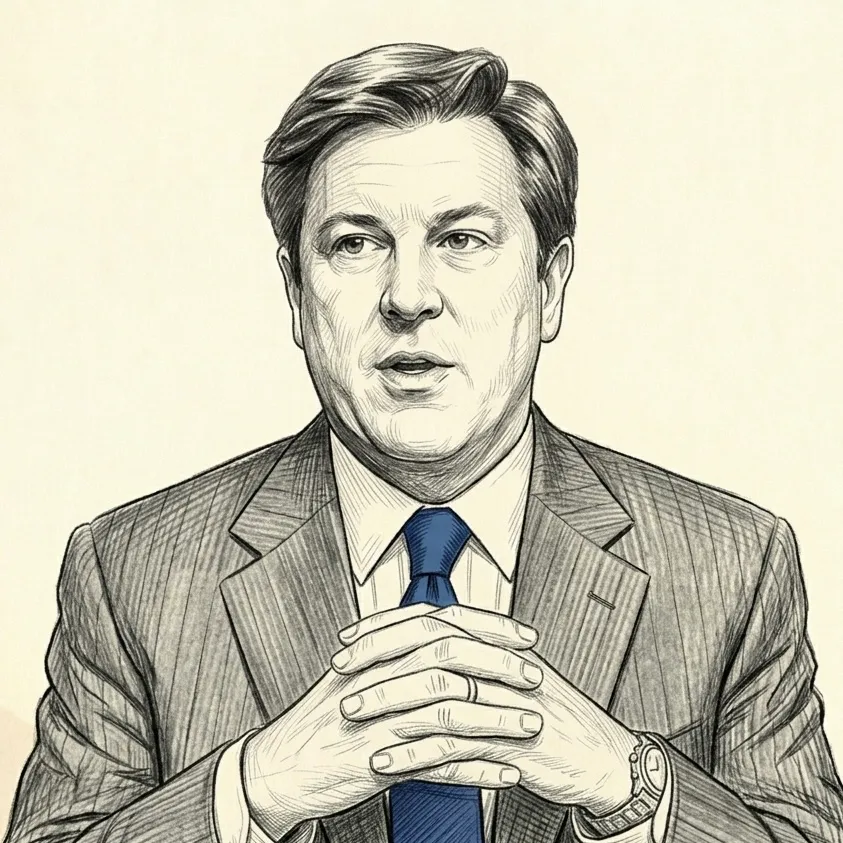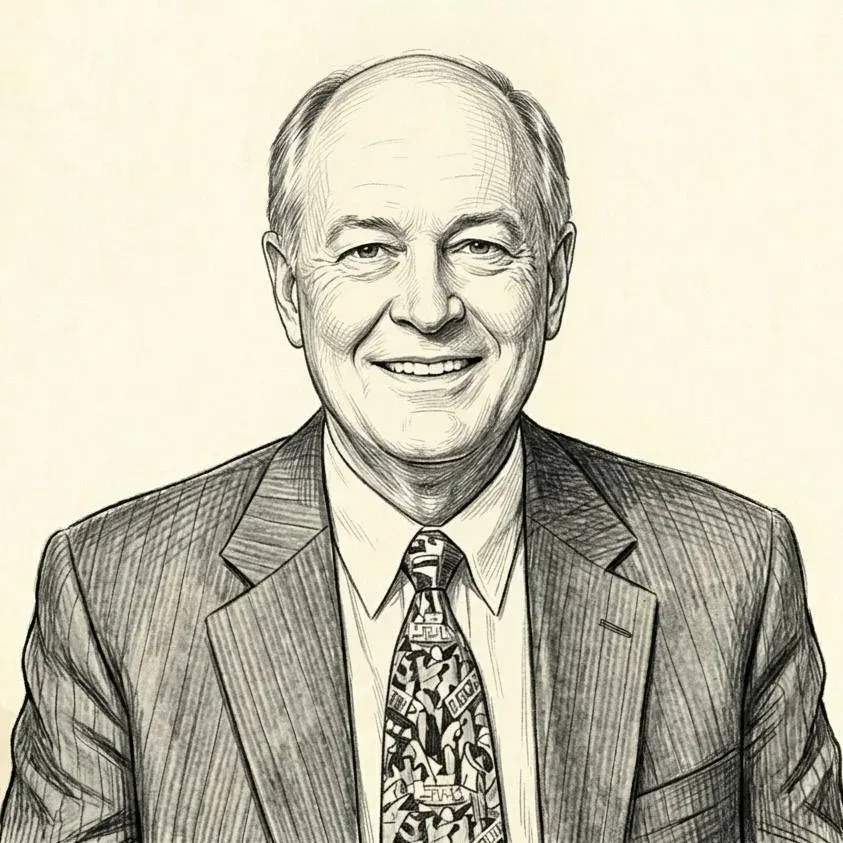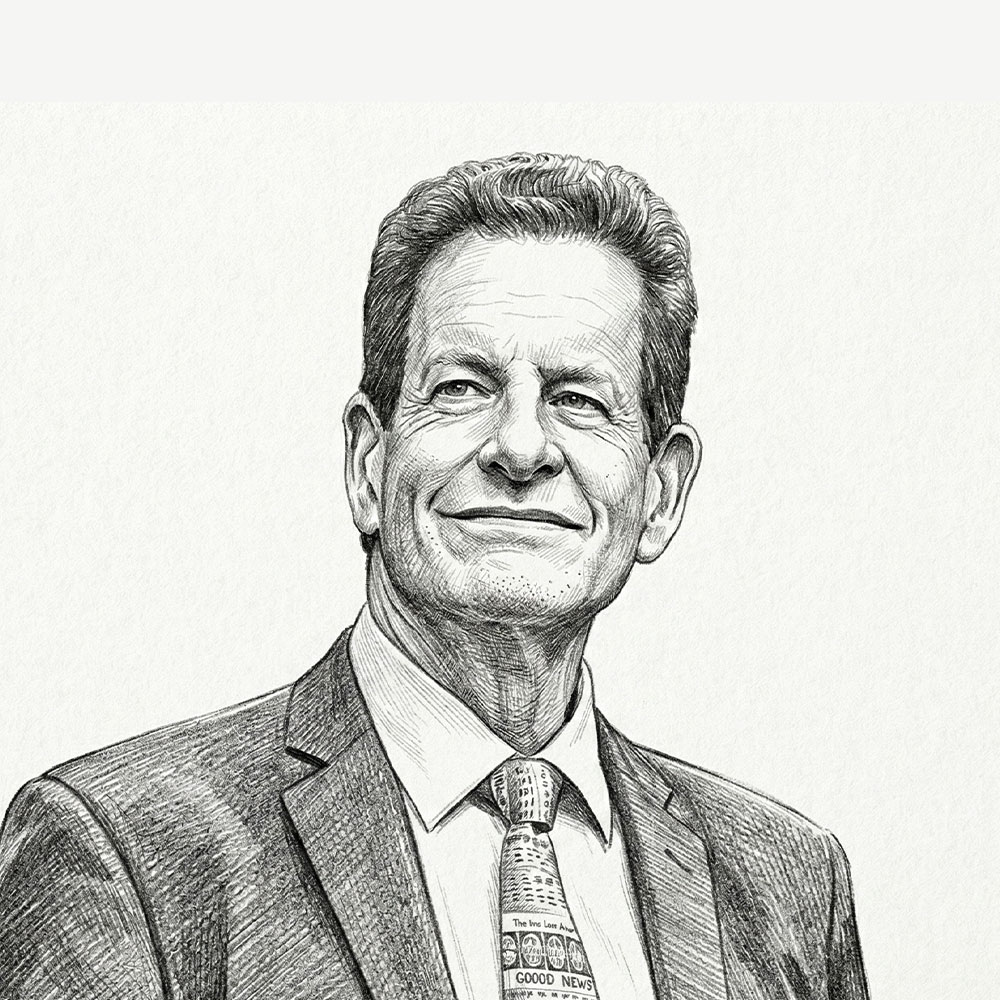
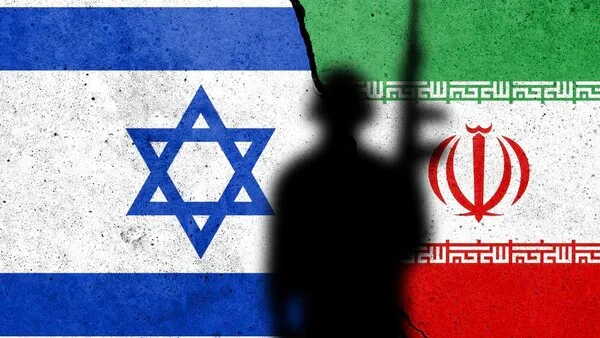
The U.S.-Iran peace negotiations held in Islamabad, Pakistan on April 11–12 concluded without agreement after 14 hours of first-round talks. The U.S. delegation included Vice President JD Vance, Special Envoy Steve Witkoff, and Jared Kushner, while Iran was led by Foreign Minister Abbas Araghchi.
The Core Breakdown — Nuclear Program and the Hormuz Strait
The central sticking point was Iran's nuclear capability. The U.S. demanded a complete halt to uranium enrichment, dismantlement of key facilities, and the removal of more than 400 kg of highly enriched uranium. The Trump team proposed a 20-year enrichment moratorium, but Iran countered with a five-year alternative. Iran had previously rejected a ten-year freeze as well.
Control over the Strait of Hormuz was equally contentious. Approximately 20% of global crude oil trade transits this chokepoint. Even post-war, Iran insisted on recognition of its control over the strait, war reparations, unfreezing of sanctioned assets, and a halt to Middle East hostilities as core conditions. Vice President Vance drew a hard line, stating that "full freedom of navigation through Hormuz is a U.S. red line."
Blockade Initiated — Market Shockwaves
On Sunday, April 13 — immediately following the breakdown — President Trump ordered a naval blockade of Iranian ports. Iran's Islamic Revolutionary Guard Corps warned that any approach by U.S. vessels constituted a ceasefire violation, while Trump fired back that "any Iranian ship approaching the blockade line will be eliminated immediately."
Market fallout was immediate. Crude oil and natural gas prices surged, fertilizer supply chains and logistics bottlenecks deepened, and the UN warned of a potential "global agri-food catastrophe." The UK declined to join the blockade, and NATO allies effectively rejected requests for military assistance in the strait. Separately, a Chinese tanker sanctioned by the U.S. is reported to have breached the blockade.
Prospects for a Second Round — Before the April 21 Ceasefire Expiry
Speaking from the White House on Sunday, April 13, Trump signaled openness to further negotiations, saying he had "been receiving messages from Iran" and that they "want a deal." Pakistan offered to host a second in-person session in Islamabad, Turkey has stepped forward as a potential mediator, and Russia proposed accepting Iran's stockpile of enriched uranium. The critical question is whether a second round can be convened before the two-week ceasefire expires on April 21.
In a Fox News interview, Vice President Vance said "a genuine grand bargain is possible... it's Iran's turn to take the next step." Iranian Foreign Minister Araghchi pushed back, stating that talks "came close to an agreement, but were met with maximalism, shifting goalposts, and a blockade."
First Direct Israel-Lebanon Talks Since 1993
On the same day, direct talks between Israel and Lebanon commenced at State Department headquarters in Washington, facilitated by Secretary of State Rubio. Israeli Ambassador Yechiel Leiter and Lebanese Ambassador Nada Hamadeh attended the session — the first official bilateral dialogue between the two countries since 1993.
The agenda covers three items: securing a ceasefire, disarming Hezbollah, and charting a path toward comprehensive peace. However, the two sides' starting positions remain worlds apart.
Israel entered the talks under instructions from Prime Minister Netanyahu "not to agree to a ceasefire." Israel is demanding the partition of southern Lebanon into three security zones with a long-term military presence, insisting that Israeli forces remain within 8 km of the border until the Lebanese Armed Forces complete their deployment.
Lebanon, by contrast, frames the talks as "preliminary meetings to halt military activity" and prioritizes an immediate end to combat operations. Hezbollah leader Naim Qassem maintains that "any ceasefire with Iran must include Lebanon," and has rejected the Washington negotiations outright as "a gratuitous concession to Israel and the United States."
3 Key Themes for Investors
- Crude Oil — A prolonged Hormuz blockade would cut off 20% of global oil supply. Monitor the WTI-Brent spread and tanker freight rates (BDTI). Near-term upward pressure on the energy sector (XLE, XOP).
- Defense — If second-round talks fail, full-scale war resumption becomes likely. Defense names (LMT, RTX, NOC, GD) and cybersecurity plays (PANW, CRWD) stand to benefit.
- Supply Chains & Agriculture — Deepening fertilizer raw material bottlenecks would drive agricultural commodity prices higher. Watch agriculture infrastructure names (ADM, BG, MOS) and shipping (ZIM, GOGL).
One week remains until the ceasefire expires on April 21. If a second Islamabad session fails to materialize, the worst-case scenario — an expanded blockade and full resumption of hostilities — becomes a real possibility. Markets are already pricing it in.