Greg Abel's First Quarter: Berkshire Bets $2.65B on Delta, Triples Alphabet Stake
Greg Abel's first 13F as Berkshire CEO: a $2.65B new stake in Delta Air Lines, Alphabet tripled to $17B, and Amazon, Mastercard, Visa, and UnitedHealth fully exited.
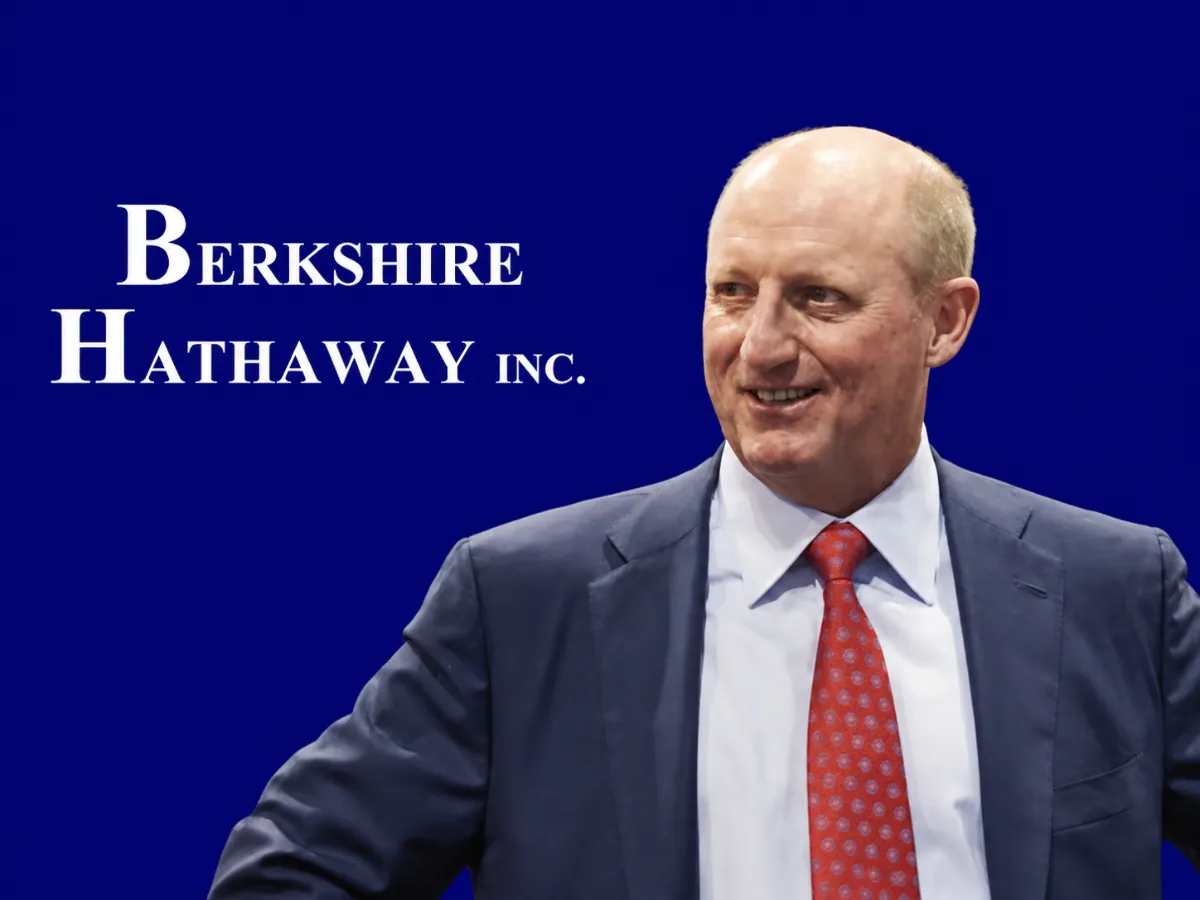
- Greg Abel's first 13F as Berkshire CEO initiated a $2.65B stake in Delta Air Lines and tripled Alphabet holdings to $17B, making it the 7th-largest position
- Amazon, Mastercard, Visa, and UnitedHealth were fully exited, clearing out Todd Combs-era positions and signaling a decisive shift in Berkshire's investment direction
In his first quarterly 13F as CEO of Berkshire Hathaway, Greg Abel initiated a $2.65 billion stake in Delta Air Lines and more than tripled the conglomerate's position in Alphabet. The three signals from Abel's inaugural portfolio — a return to airlines, a conviction bet on big tech, and the unwinding of a predecessor's positions — sent a clear message to markets about what Berkshire looks like in the post-Buffett era.
Berkshire Hathaway's Q1 2026 13F filing, submitted to the SEC on May 15, was the first official portfolio disclosure under CEO Greg Abel. It was bolder than markets expected. A new $2.65 billion stake in Delta Air Lines, a tripling of Alphabet shares, and complete exits from Amazon, Mastercard, Visa, and UnitedHealth. Markets read it as a clear signal that the investment DNA of Berkshire — shaped by Warren Buffett over more than six decades — is shifting.
Back to Airlines — Abel Reverses Buffett's 2020 Exit from Delta
Berkshire acquired 39.8 million shares of Delta Air Lines (DAL), valued at roughly $2.65 billion, making it the 14th-largest holding in the portfolio by quarter-end. This marks a striking reversal of one of Buffett's most famous decisions: in 2020, during the COVID-19 pandemic, he sold over $4 billion in airline stocks — including Delta, United, American, and Southwest — declaring that the pandemic had fundamentally altered the industry. Abel's move effectively walks that call back.
Delta shares have gained just 1% year-to-date despite WTI crude oil topping $100 per barrel on the prolonged Iran conflict. Buying $2.65 billion in an airline under those conditions reads as a contrarian, long-term bet on durable travel demand recovery.
Berkshire does not disclose reasons for its quarterly portfolio changes.
Berkshire Spokesperson
Alphabet Stake Tripled — Google Parent Now Berkshire's 7th-Largest Holding
The bigger surprise was Alphabet. Berkshire had first disclosed a position of 17.8 million shares in Q4 2025; one quarter later, it had grown to roughly 58 million shares worth approximately $17 billion — a 3.3x increase in a single quarter. Alphabet is now Berkshire's seventh-largest equity holding, and analysts say a top-five spot is only a matter of time.
Apple remained unchanged at roughly 228 million shares, still the largest holding at about 22% of the $280 billion equity portfolio. The fact that Abel left Berkshire's biggest bet untouched while aggressively expanding Alphabet signals strong conviction across big tech.
The Exit List — Erasing the Combs Era
Abel also fully exited several positions. The most notable were Mastercard (MA) and Visa (V), sold simultaneously. Both were the first stocks purchased by Todd Combs after joining Berkshire in 2010, and mirrored the core holdings of his former hedge fund, Castle Point Capital. Combs left for JPMorgan at the end of 2025; his positions were widely expected to be unwound. Amazon was also fully exited — another investment attributed to Combs.
- Amazon (AMZN) — fully exited; long viewed as a Combs-driven bet
- Mastercard (MA) — fully exited; the first stock Combs bought after joining Berkshire
- Visa (V) — fully exited; a core holding of Combs's former hedge fund Castle Point
- UnitedHealth (UNH) — fully exited; shares fell more than 4% in after-hours trading on the news
Ted Weschler, Combs's partner investment manager, remains at Berkshire and continues to oversee roughly 6% of the portfolio. A small new position in Macy's (M), worth roughly $55 million, also drew attention as an Abel-era bet.
Three Signals from Year One of the Abel Era
The Q1 2026 13F sends three clear directional messages. First, conviction in a travel recovery: buying $2.65 billion in Delta while WTI crude is above $100 is a contrarian, long-term bet on durable travel demand. Second, structural belief in big tech AI upside: aggressively expanding Alphabet signals confidence in AI search, cloud, and YouTube advertising growth. Third, a clean break: unwinding the Combs positions is Abel's declaration that the new portfolio reflects his own judgment, not inherited bets.
Berkshire's stock (BRK.B) has fallen roughly 4% year-to-date versus the S&P 500's approximately 8% gain, reflecting the loss of the 'Buffett premium' and investor uncertainty about Abel's leadership. Buffett, 95, remains chairman and comes into the office five days a week, consulting Abel on investments and capital allocation. The cash pile has grown to nearly $400 billion — a record.
Markets will watch for the Q2 2026 13F, due in August. Whether Abel adds to Delta and Alphabet or reveals new positions will sharpen the picture of what Berkshire's investment playbook looks like in the post-Buffett era.
Frequently Asked Questions
Why did Berkshire Hathaway buy Delta Air Lines?
New CEO Greg Abel initiated a $2.65 billion stake in Delta (39.8 million shares) during his first quarter as CEO (Q1 2026). It marks Berkshire's return to airlines after Warren Buffett sold all airline holdings in 2020 during the COVID-19 pandemic. Buying into an airline despite high oil prices signals long-term conviction in durable travel demand recovery.
How much did Berkshire increase its Alphabet (Google) stake?
Berkshire more than tripled its Alphabet position in a single quarter — from 17.8 million shares in Q4 2025 to roughly 58 million shares by end of Q1 2026, now worth approximately $17 billion. Alphabet became Berkshire's 7th-largest equity holding.
Why did Berkshire sell Mastercard, Visa, and Amazon?
All three were associated with Todd Combs, one of Berkshire's two investment managers who left for JPMorgan in late 2025. The exits are widely interpreted as Abel cleaning house — building a portfolio that reflects his own investment judgment rather than inherited positions.
What is Warren Buffett's current role at Berkshire?
Buffett stepped down as CEO at the start of 2026 but remains chairman at age 95 and comes into the office five days a week. Abel has said he consults Buffett on investments and capital allocation decisions.
How has Berkshire's stock performed under Abel?
BRK.B has fallen roughly 4% year-to-date, significantly underperforming the S&P 500's approximately 8% gain. The gap reflects the loss of the 'Buffett premium' and investor uncertainty about Abel's leadership style.



Wall Street's Defining Moments
See more
Sunday's SEC 8-K Earnings Filings Quiet, but Royal Gold Doubles Net Income and Launches Buyback
 RGLD
RGLDVeritone Earnings Shock Sends Shares Down 23%...York Space Systems Among 25 US Companies Filing SEC 8-K Earnings Reports
 YSS
YSS CODX
CODX IPWR+26
Applied Materials Posts Record Q3 Revenue of $9.1 Billion, All-Time High EPS
 AMAT
AMATSmart Money Briefing
Weekly summaries of Wall Street guru moves and crypto whale activity.