
Jim Cramer Backs Lifting Social Security Tax Cap: 'Even Rich People Like Me Should Pay More'
CNBC's Jim Cramer publicly endorsed eliminating the Social Security payroll tax cap. With the trust fund projected to run dry by 2032 — triggering automatic 28% benefit cuts — Sen. Warren's bill proposes higher taxes on top earners and a $200/month benefit increase.
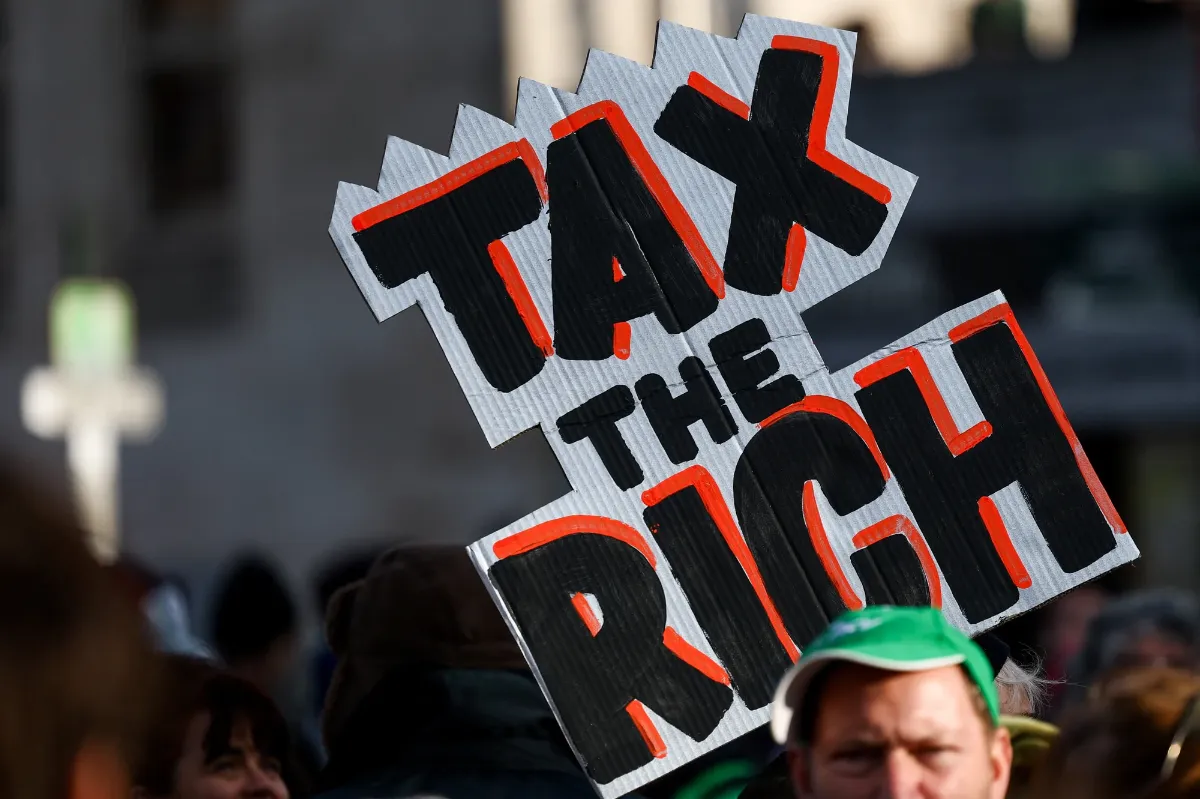
- Jim Cramer backed removing the Social Security payroll tax cap, even though it means higher taxes for him
- Warren's bill would tax top earners more and raise benefits $200/month before the 2032 fund shortfall hits
Trust fund depletion by 2032 and automatic 28% benefit cuts loom — a high-income earner raises his hand in support of Sen. Warren's reform bill.
CNBC 'Mad Money' host Jim Cramer has drawn widespread attention after publicly endorsing legislation to eliminate the Social Security payroll tax income cap. What makes the endorsement particularly striking is that Cramer himself — a high earner who would face a larger tax bill under the proposal — called the idea a 'good one.'
Cramer recently shared a video of Sen. Elizabeth Warren's Social Security reform proposal on his X (formerly Twitter) account, writing "Nor should I." His message: he cannot accept a system in which a billionaire pays the same amount in Social Security taxes as someone earning $175,000 a year.
"It goes against the design of current law — but it's a very good idea."
Trust Fund Depletion by 2032: Automatic 28% Benefit Cuts on the Clock
Cramer's comments come against the backdrop of a pressing deadline. The Social Security trust fund is projected to be exhausted as early as 2032. At that point, absent congressional action, beneficiary payments would be automatically cut by 23% to 28%. The year 2032 is no longer a distant horizon — it is a concrete deadline just six years away.
The Core Mechanics of Warren's Bill
Under current law, Social Security payroll taxes apply only to earned income up to $184,500 (as of 2026). Any income above that threshold is entirely exempt. In practice, this means Elon Musk or Bill Gates pays the same dollar amount in Social Security taxes as a worker earning $175,000 a year.
Sen. Warren's bill would eliminate this cap, subjecting all earned income to the payroll tax. The additional revenue generated would fund a $200 per month benefit increase for all recipients.
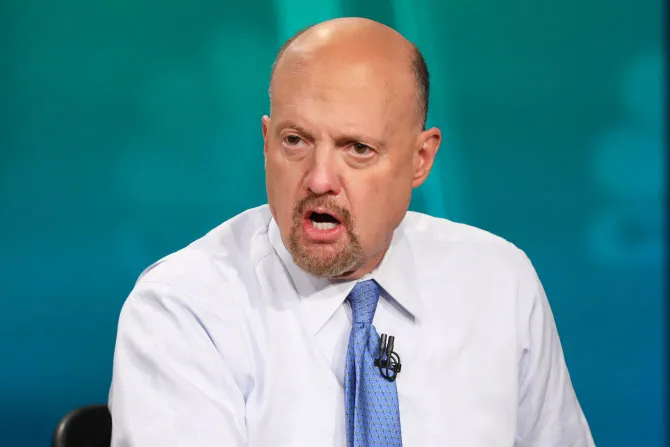
"Billionaires should pay their fair share. We cannot force seniors to work until they die."
Sen. Elizabeth Warren
From 'Contributory Insurance' to 'Wealth Transfer': The Heart of the Debate
Opponents argue the bill fundamentally undermines Social Security's core design principle. The current program operates as a contributory insurance model — you receive benefits roughly proportional to what you paid in. Income above the cap is exempt from taxation precisely because it is also excluded from the benefit calculation. Warren's bill would impose additional taxes on high earners without granting them any additional benefits, effectively transforming the program into a wealth-transfer mechanism. Critics warn this could erode the bipartisan political coalition that has sustained Social Security for decades.
Skeptics also argue that high-income earners will respond with aggressive tax-avoidance strategies, meaning actual revenue gains could fall well short of projections. More fundamentally, some economists contend that the program's structural challenge — a steadily declining ratio of contributors to beneficiaries driven by demographic shifts — cannot be solved through revenue increases alone.
Why Cramer's Endorsement Matters
Cramer's statement carries weight beyond a celebrity voicing a political opinion. When a high-income individual voluntarily says 'I should pay more too,' it reframes the debate. The conversation shifts from a narrative of class warfare to one of pragmatic policy-making. With the 2032 deadline rapidly approaching, this discussion has become an agenda item that can no longer be deferred.

ExxonMobil Posts 4-Year-High Profit but Misses Estimates as AbbVie, Colgate Among 23 Companies Report Earnings
 XOM
XOM LIN
LIN LYB+25
Louis Bacon's Q1 2026 Portfolio — SPY Stake Surges, RSP and GLD Fully Sold
 SPY
SPY TLT
TLT QQQ+4
QQQ+4SEC Receives 24 Earnings Filings, 14 Regional Banks Report en Masse — Newmont, Nasdaq, Snap-on Join In
 ASPS
ASPS PKG
PKG BPRN+20
Wall Street's Defining Moments
See more


Sunday's SEC 8-K Earnings Filings Quiet, but Royal Gold Doubles Net Income and Launches Buyback
 RGLD
RGLDVeritone Earnings Shock Sends Shares Down 23%...York Space Systems Among 25 US Companies Filing SEC 8-K Earnings Reports
 YSS
YSS CODX
CODX IPWR+26
Applied Materials Posts Record Q3 Revenue of $9.1 Billion, All-Time High EPS
 AMAT
AMATSmart Money Briefing
Weekly summaries of Wall Street guru moves and crypto whale activity.