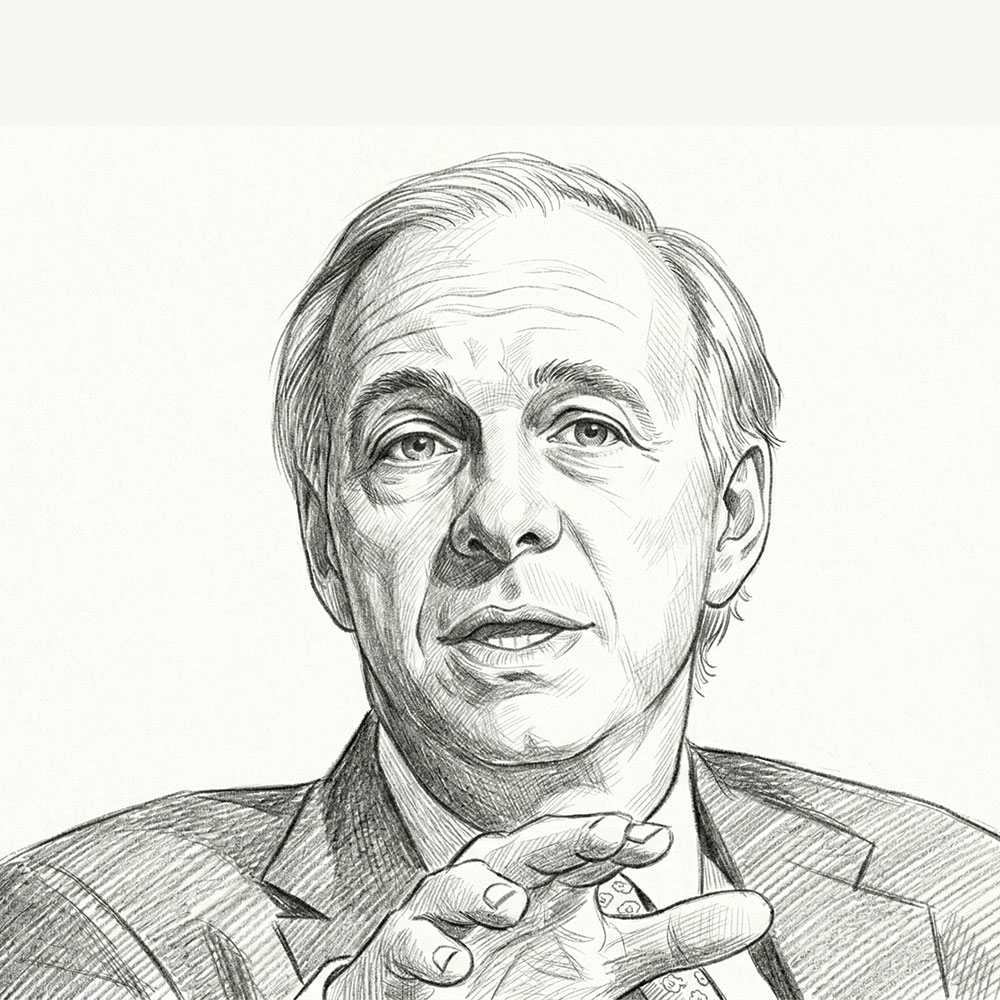
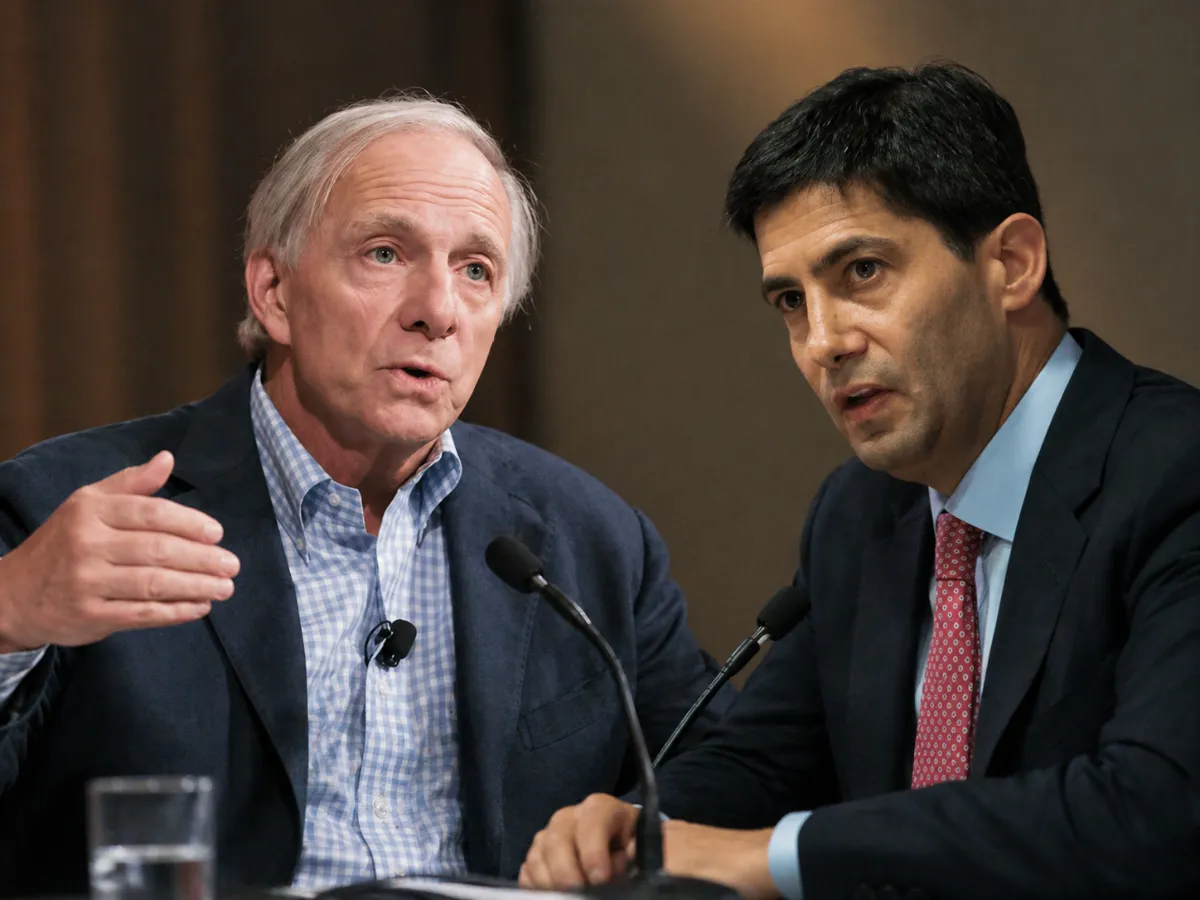
Bridgewater Associates founder Ray Dalio fired a pointed warning at Kevin Warsh, the frontrunner to become the next Federal Reserve Chair. With the U.S. economy entering stagflation, Dalio argued that cutting interest rates now would undermine the Fed's credibility.
Appearing on CNBC on the 27th (local time), Dalio stated, "The U.S. is clearly in a stagflationary environment," adding that "cutting rates now would mean losing the Fed's credibility — especially at this critical juncture." He further emphasized, "Looking at other countries' monetary policies, none of them will be cutting rates," and "with the information available right now, I would not lean toward cutting rates."
Stagflation: A Central Bank's Worst-Case Scenario
Stagflation is an exceptional condition in which economic stagnation and inflation occur simultaneously — a policy dilemma where both available remedies produce adverse side effects.
Cutting rates can support employment but risks stoking inflation further. Raising rates may bring prices under control but delivers an additional blow to an already slowing economy. Dalio believes that amid this dilemma, the worst move the Fed could make is a premature rate cut.
Stagflation typically originates from sharp oil price spikes or global supply chain shocks. An energy supply disruption caused by conflict with Iran fits precisely those conditions.
What the Data Is Saying
Current macroeconomic indicators support Dalio's diagnosis. The Fed's preferred inflation gauge, PCE, stood at 2.85% as of February — exceeding the 2% target for the fifth consecutive year. The final Q4 real GDP growth rate came in at an annualized 0.5%, a sharp deceleration from Q3's 4.4%. March unemployment edged down to 4.3% and nonfarm payrolls came in above expectations at 178,000 — but these figures alone are not enough to dismiss stagflation concerns.
FOMC Expected to Hold at 100% — In-Year Rate Cuts Also Retreating
The market has fully priced in a rate hold at the upcoming FOMC meeting, with results due on the 29th (local time). According to the CME FedWatch Tool, federal funds futures markets are assigning the highest probability to rates remaining at their current level (3.50–3.75%) through the end of 2027.
John Luke Tyner, Head of Fixed Income at Aptus Capital Advisors, noted that "rising energy prices are creating inflationary pressure that stands in the way of the rate cuts President Trump and nominee Warsh are seeking," adding that "this stance is likely to persist until the Iran situation is resolved, and could become a major market variable in the second half of 2026."